Jaguar Type 01 electric GT pairs 1,000hp with Meridian audio
Jaguar’s £120,000 electric grand tourer combines an unusual battery layout, seat-integrated bass and rapid charging, with orders due to open in early 2027.
By Davy Currie · · 5 min read
Key facts
- 01Jaguar Type 01 UK pricing starts at £120,000, with orders scheduled to open in early 2027.
- 02Jaguar quotes more than 1,000hp, 1,300Nm and a 3.2-second 0–62mph time for the Type 01.
- 03The Jaguar Type 01 combines a 118kWh battery with an 850-volt electrical architecture.
- 04Jaguar claims up to 450 miles WLTP range and 200 miles added in 13 minutes using 350kW DC charging.
- 05The Type 01 pairs a panoramic Meridian soundbar with vibro-haptic seats and a seven-inch climate touchscreen.
- 06Jaguar expects Type 01 deliveries in the second half of 2027, with production at Solihull.
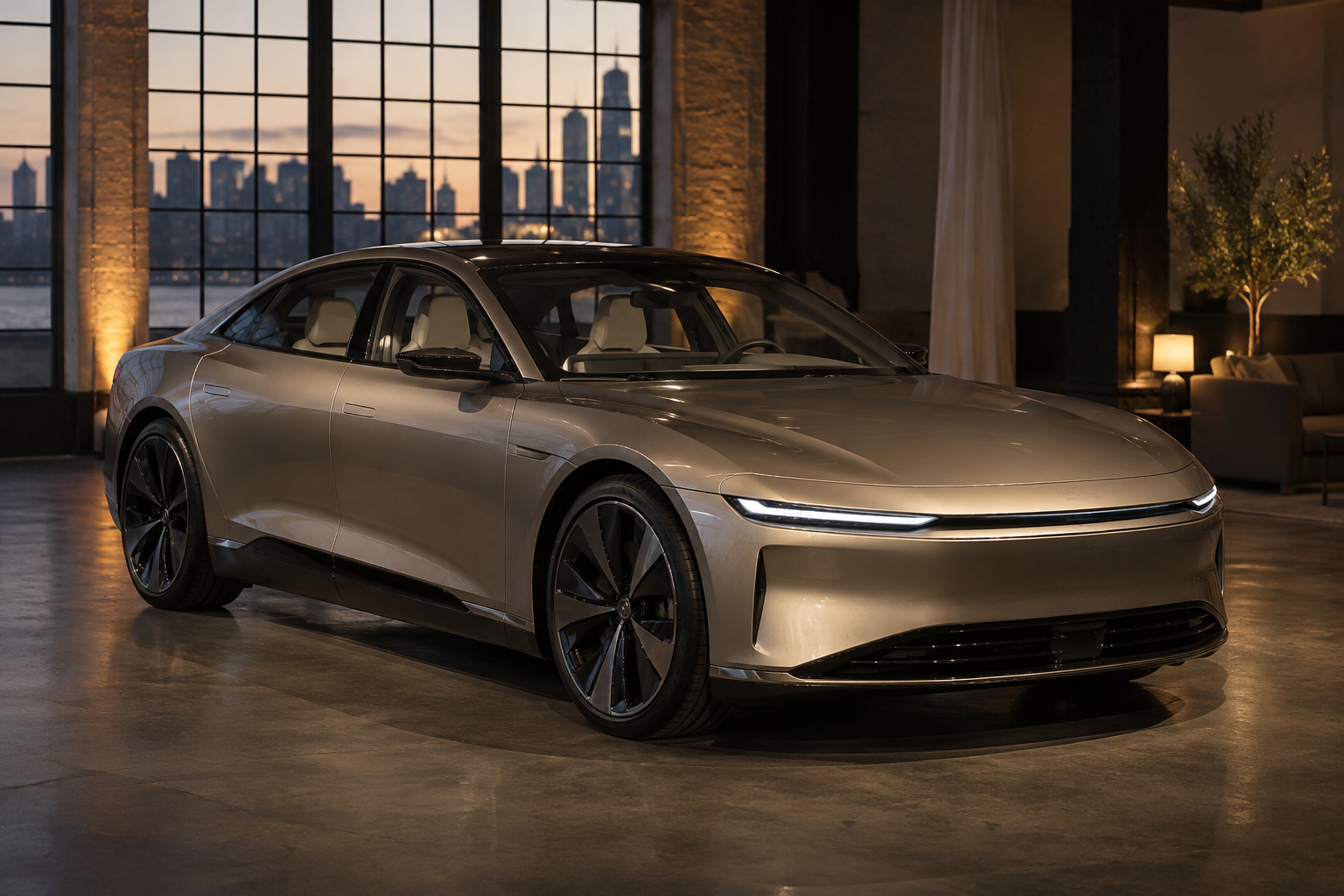
Jaguar has unveiled the Type 01 electric grand tourer in New York in October 2026, announcing a UK starting price of £120,000 and a three-motor drivetrain producing more than 1,000hp. Orders are scheduled to open in early 2027, with first deliveries expected in the second half of that year; its panoramic Meridian soundbar and bass-responsive seats make the cabin technology as noteworthy as the performance.
What happened
The four-door Type 01 is the first product of Jaguar’s wholesale repositioning after it discontinued its previous range and stopped selling new cars more than a year ago. Built at JLR’s Solihull factory, the new model is intended to move the marque into territory between Porsche and Bentley, rather than continue its former positioning against BMW and Mercedes-Benz.
Its proportions establish the scale of that change. At 5.24 metres long and 2 metres wide, with a roof just 1.4 metres high, this is a substantial car with a deliberately low silhouette. For an owner commissioning garaging, the practical questions are door clearance, access gradients and manoeuvring space, not simply whether the stated footprint fits a parking bay.
Jaguar quotes a kerb weight of 2,700kg, but claims 0–62mph in 3.2 seconds and acceleration from 62–112mph in 4.0 seconds. One front motor and two rear motors provide all-wheel drive and 1,300Nm of torque. Rear-wheel steering of up to six degrees, combined with front-wheel angles reaching 43 degrees, delivers a stated 11.5-metre turning circle.
The entertainment system takes an unusual form: a Meridian soundbar extends across the base of the windscreen, while vibro-haptic seats reproduce low-frequency content as physical pulses. Jaguar describes the panoramic soundbar arrangement as an automotive first. No detailed speaker count or amplifier specification is provided, so the announcement establishes the approach rather than its acoustic performance.
Primary driving and navigation information appears on a slim horizontal display. A separate seven-inch portrait touchscreen on the centre console manages climate functions. There is no rear window: a camera supplies the view to a digital mirror, making that display the driver’s sole substitute for a conventional rearward view through the cabin.
The background
The engineering departure begins with the 118kWh battery. Rather than placing a conventional thick pack beneath all occupants, Jaguar has located 32 cells under the bonnet and integrated the remaining pack into the chassis. Passengers sit in four low, individual spaces between battery structures, allowing the roofline to sit lower than a straightforward underfloor arrangement would permit.
That packaging decision gives the interior its pronounced separation between occupants, reinforced by a high central console running through the cabin. It also makes access and seating position especially important during a demonstration: the exterior’s low stance is achieved through the occupants’ relationship with the battery, rather than styling alone.
Jaguar claims torsional rigidity of 57,000Nm per degree. A stiff structure provides a foundation for suspension tuning, although that figure cannot establish ride quality by itself. Body manufacture also includes a large single-piece aluminium rear-quarter panel formed using a four-storey press applying 2,500 tonnes of force, illustrating the production investment behind the car’s shape.
The electrical architecture operates at 850 volts. Jaguar quotes a maximum WLTP range of 450 miles and says a 350kW DC charger can add the equivalent of 200 miles in 13 minutes. These are different measures: the range figure describes a test-cycle result, while the charging claim describes energy replenishment under suitable conditions, not a guaranteed distance after every stop.
Aerodynamic measures include active front grille vanes and an automatically adjusting rear spoiler, contributing to a quoted drag coefficient of 0.23. The distinction matters because the car’s long-distance proposition depends on managing energy consumption as well as carrying a large battery; its considerable power output is only one part of the engineering brief.
For residential projects, public rapid charging should not be confused with the capability required at home. The planning considerations behind larger residential power systems provide useful context for integrating another significant electrical load. Jaguar has not specified the Type 01’s AC charging capability here, so a domestic installation cannot yet be sized around a confirmed vehicle-side charging limit.
What people are saying
Jaguar’s stated position is that the Type 01 should be a distinctive luxury grand tourer rather than an anonymous electric performance car. Its Manhattan launch, including large digital displays and an arrival at a West Chelsea venue, supports that intention. The choice of New York also reflects JLR’s pursuit of younger, wealthy American customers against weaker demand in China and Europe.
Reported impressions from prototype drives at Jaguar’s Gaydon test track suggest a composed character associated with older V12 Jaguars, rather than the more overtly sporting approach of a Porsche Taycan. Those observations offer an early indication of the chassis brief, but they are not a substitute for evaluating production cars on varied roads.
For audio-minded owners, the soundbar and haptic seats invite two separate assessments: how convincingly the system reproduces music, and whether physical bass reinforcement improves the experience. Seat vibration is not itself evidence of greater fidelity. A useful audition would include familiar recordings at ordinary listening levels, not only material selected to demonstrate impact.
The separate climate touchscreen also deserves attention beyond its appearance. As with BMW’s panoramic iDrive cabin approach, interface layout becomes an ownership issue when routine actions must be completed while driving. The Type 01’s hardware arrangement is known; the ease of its menus and controls remains something to test in use.
What happens next
The early-2027 order opening is the next announced commercial milestone. US pricing starts at $130,500, with versions extending beyond $150,000. The UK entry price establishes its luxury positioning, but the information available does not set out a complete UK options list or identify which equipment is included at that starting figure.
Before committing, buyers will need clarity on charging conditions, home-charging support and the final audio specification. The published 13-minute charging claim does not explain the starting battery percentage or temperature conditions. Equally, a headline WLTP figure should not be used as an assured motorway touring range when planning journeys between properties.
Deliveries are expected in the second half of 2027, leaving time for household infrastructure work to be coordinated with vehicle selection. Architects and electrical contractors can assess physical access and available supply now, while reserving final charger decisions until compatibility and AC charging specifications are confirmed. The deleted rear window also makes an in-person test of the digital mirror particularly worthwhile.
Why this matters
The Jaguar Type 01 connects several concerns familiar to luxury-home technology clients: substantial electrical demand, integrated audio, touchscreen control and design that dictates how technology is packaged. Its strongest ownership case will depend less on the four-figure horsepower headline than on whether those systems work comfortably together. For buyers, the sensible brief is to evaluate the cabin, charging provision and property access as one purchase decision.
Questions answered
+How much does the Jaguar Type 01 cost in the UK?
Jaguar has announced a UK starting price of £120,000. A complete UK options list and the equipment included at that price have not been set out in the information available.
+When can I order the Jaguar Type 01?
Order books are scheduled to open in early 2027. First deliveries are expected in the second half of 2027.
+What is the Jaguar Type 01 range?
Jaguar quotes a maximum WLTP range of 450 miles from the Type 01’s 118kWh battery. This test-cycle figure should not be treated as a guaranteed motorway touring range.
+How fast does the Jaguar Type 01 charge?
Jaguar says a 350kW DC charger can add the equivalent of 200 miles in 13 minutes. The published claim does not specify starting battery percentage or temperature conditions.
+What sound system does the Jaguar Type 01 have?
The Type 01 has a panoramic Meridian soundbar across the base of the windscreen, paired with vibro-haptic seats that pulse with low-frequency audio. Detailed speaker and amplifier specifications have not been provided.
+Does the Jaguar Type 01 have a rear window?
No. A rear-facing camera supplies an image to a digital mirror, replacing the conventional view through a rear window.
+How big is the Jaguar Type 01?
The Type 01 measures 5.24 metres long, 2 metres wide and 1.4 metres high. Jaguar quotes an 11.5-metre turning circle, assisted by rear-wheel steering of up to six degrees.
More in Cool Stuff
 Cool Stuff
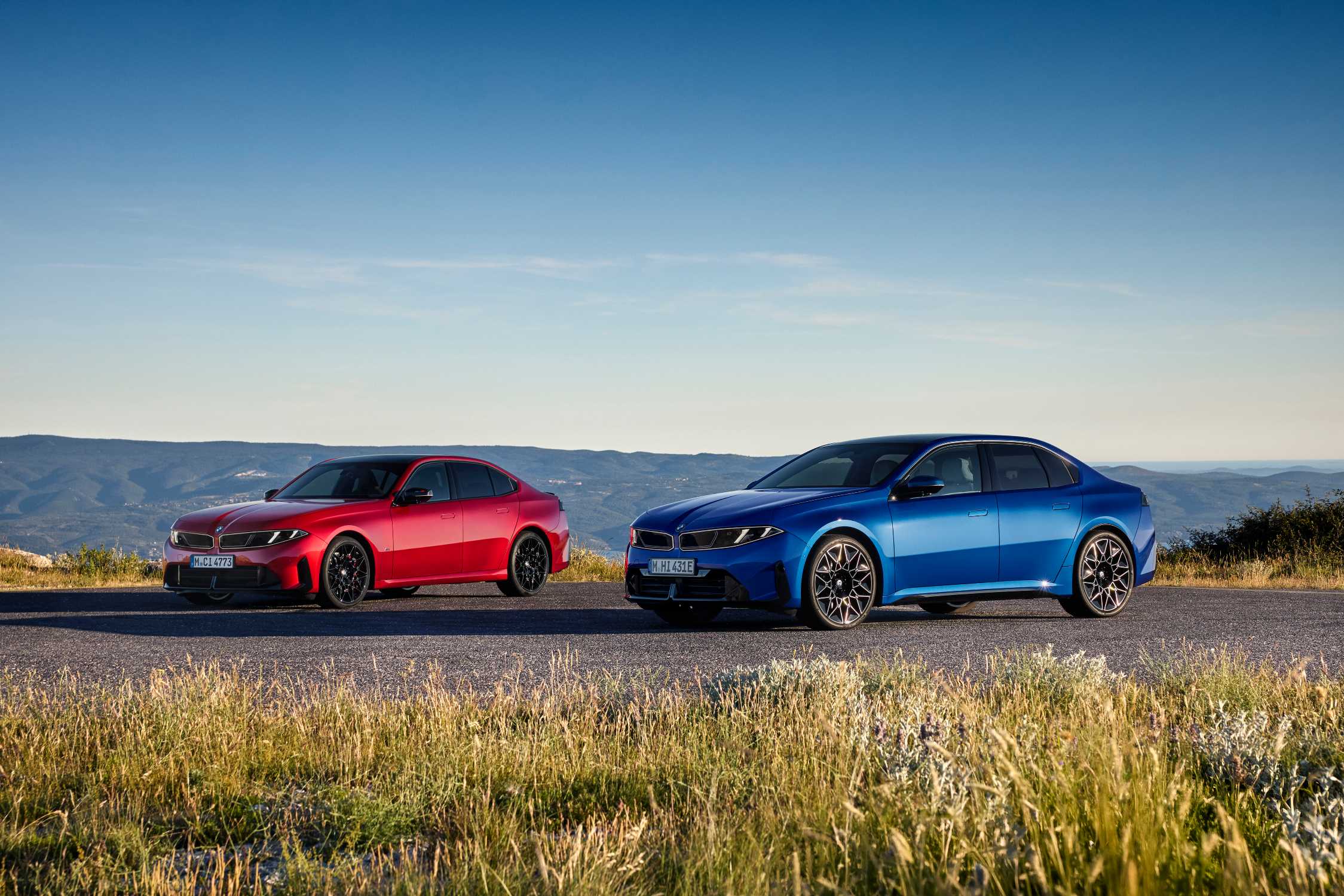
BMW 3 Series brings panoramic iDrive to its 2027 cabin
BMW’s next petrol saloon combines a windscreen-wide information display with touchscreen-led controls, revised driver assistance and a performance feature arriving after launch.
7 October 2026 · 5 min
 Cool Stuff
Neurable One brings EEG focus tracking to everyday headphones
Neurable’s US$499 headphones combine wireless audio with brain-signal tracking, offering a new kind of feedback for the home office—with important limits.
8 October 2026 · 5 min
 Cool Stuff
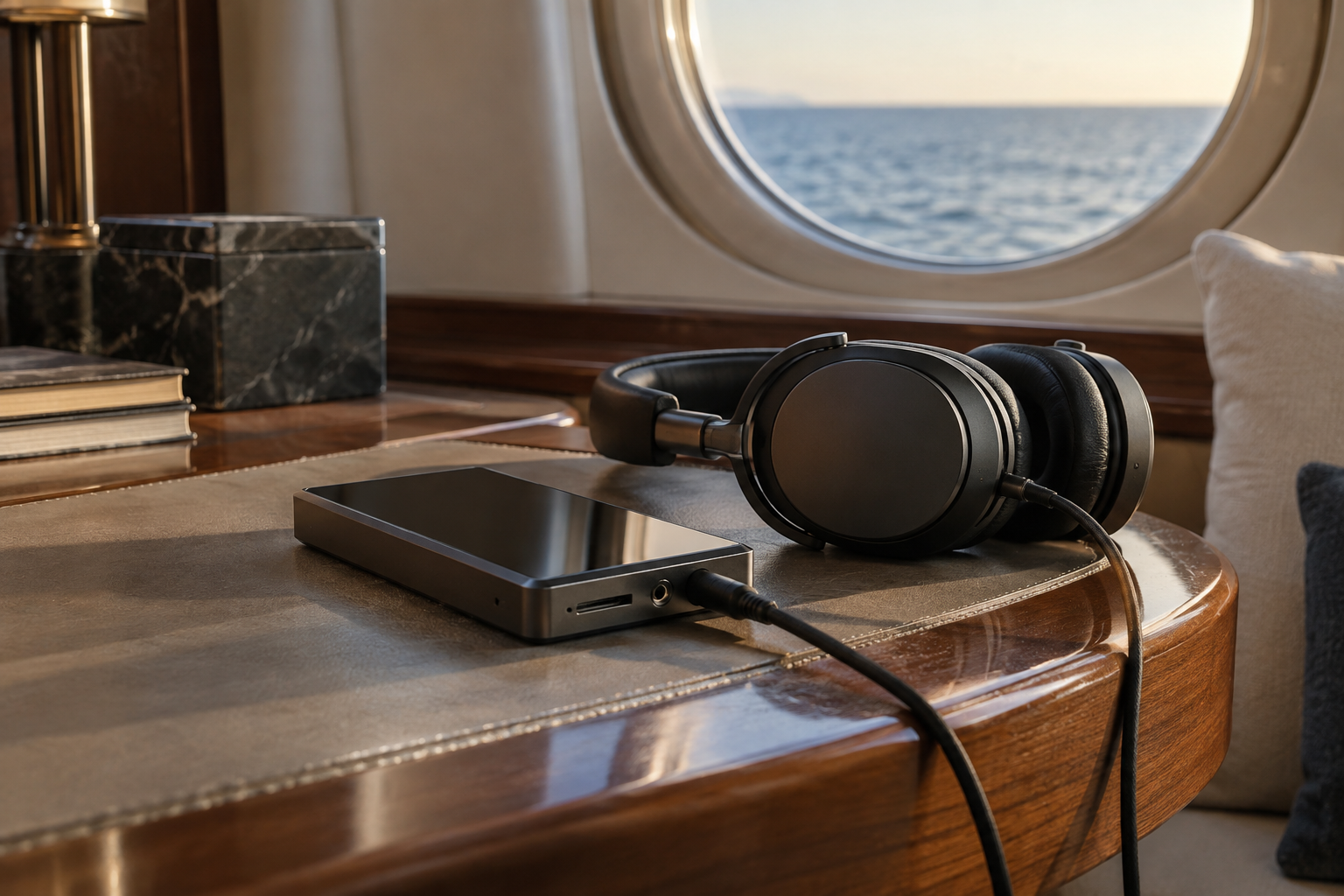
Astell & Kern SR35 takes hi-res audio beyond the listening room
Expandable storage, three headphone connections and USB DAC functionality make Astell & Kern’s SR35 worth considering as more than a travelling music library.
7 October 2026 · 5 min