Inviye CRBN invisible speaker targets January 2027
A new trade platform pairs concealed loudspeakers with installation training, putting the construction process alongside acoustic performance in the specification brief.
By James Whitcombe · · 5 min read
Key facts
- 01Inviye has launched a direct-to-trade platform for invisible audio, serving installers, designers and contractors.
- 02Inviye is previewing CRBN at Decorex, Olympia London, from 11–14 October 2026.
- 03CRBN is an invisible wall or ceiling loudspeaker scheduled for availability in January 2027.
- 04Inviye’s trade portal offers live pricing, online ordering, account management, technical documentation and installation training.
- 05Inviye says CRBN uses a revised installation method intended to reduce fitting time and improve on-site robustness.
Inviye has launched a direct-to-trade platform for invisible audio and is previewing its CRBN concealed loudspeaker at Decorex, held at Olympia London from 11–14 October 2026. The speaker is scheduled for availability in January 2027; the accompanying platform brings purchasing, technical documentation and installation training into one trade service.
What happened
The new business is addressing AV installers, interior designers, contractors and other professionals working on residential and luxury interiors. Rather than presenting concealed audio solely as a hardware purchase, Inviye is offering a route through specification, ordering and installation, with project support resources alongside the products.
Registered trade users are being offered live pricing, online ordering and account management through a dedicated customer portal. Trade account applications are open, while professionals interested in forthcoming products can register for updates. This gives prospective specifiers a way to engage before CRBN becomes available, although registration should not be confused with a confirmed delivery allocation.
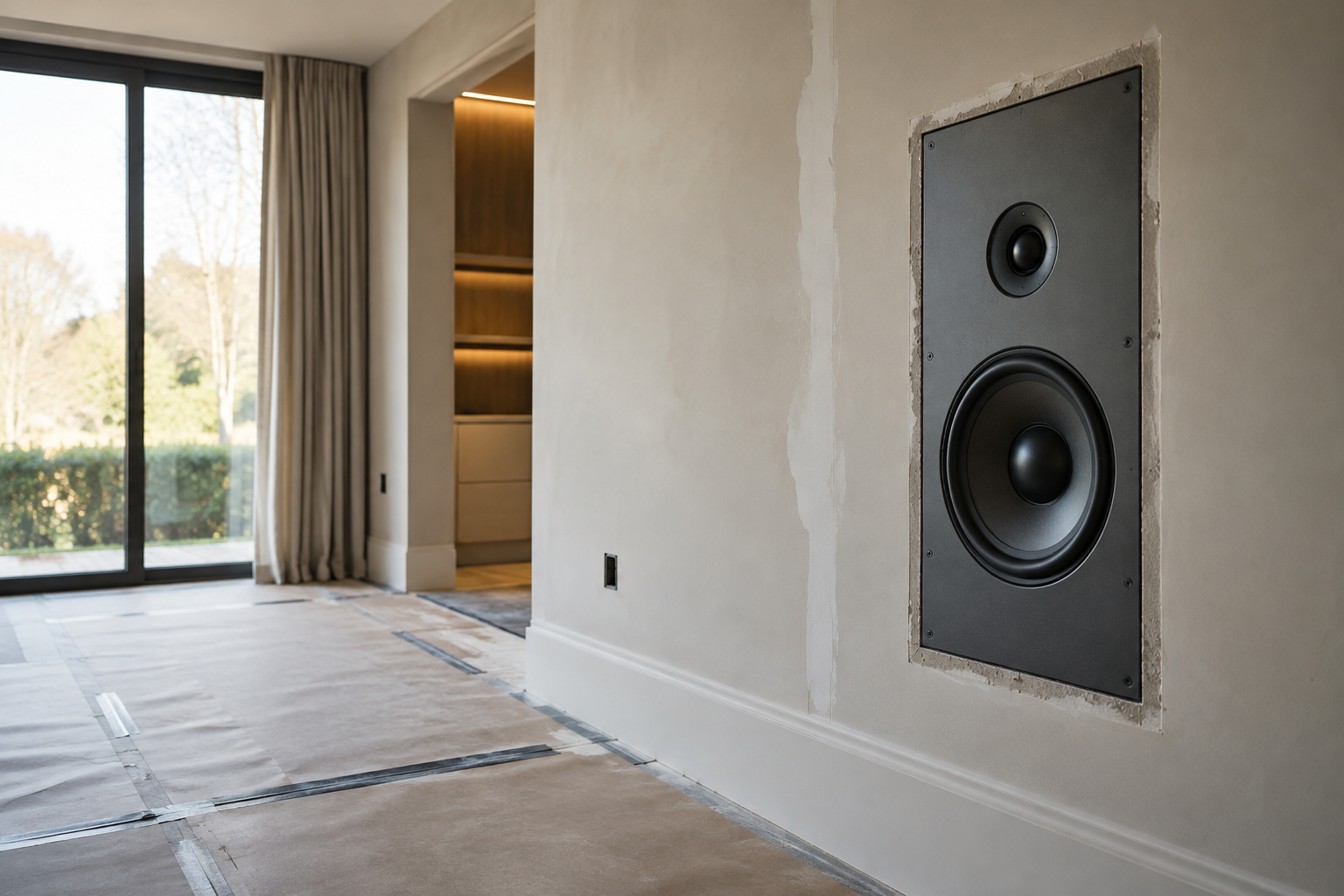
CRBN is intended to disappear within a wall or ceiling after installation and decoration. Inviye says its revised installation method is designed to shorten fitting time and make the product more robust on site. Neither an installation-time comparison nor supporting durability test results are provided in the launch information, so these remain company claims rather than demonstrated advantages.
The company associates the speaker’s development with engineering principles and performance characteristics found in modern carbon fibre musical instruments. It promises a natural, balanced presentation, but that reference does not establish the speaker’s material construction or acoustic specification. Those details will matter more to system designers than the analogy itself.
At Decorex, Inviye is also giving visitors an early look at a second, as-yet-unannounced product. Its stand, B10, is hosting information about the platform, training programme and future roadmap. The exhibition is therefore both a product preview and an introduction to how the new supplier intends to work with the trade.
The background
Invisible loudspeakers address a particular architectural brief: sound without visible cabinets or grilles. In rooms where joinery, plasterwork and material continuity are carefully controlled, even a discreet conventional speaker can compete with the interior. Concealing the sound source lets the design team preserve an uninterrupted surface rather than accommodating another visible object.
That freedom changes the installation workflow. A freestanding speaker can usually be moved after a room is furnished; a speaker incorporated into a decorated surface requires its position to be resolved much earlier. Furniture layouts, listening areas, ceiling services and access arrangements consequently become part of the audio discussion before finishes are complete.
Concealment does not remove the importance of room acoustics. Reflective glazing, hard floors and large open-plan volumes still influence what listeners hear. As with matching conventional loudspeakers to room size and placement, the architectural setting remains part of the system, even when its sound-producing components cannot be seen.
The finishing process also introduces a trade interface that a cabinet loudspeaker does not have. The AV installer and decorating contractor need a shared understanding of the manufacturer’s permitted finishes and application procedure. A technically correct first fix is insufficient if subsequent work departs from those instructions; responsibility needs to remain clear through the final decorative stage.
This is why the training element deserves attention independently of the sales portal. Courses and documentation can provide a common reference for teams that encounter concealed audio only occasionally. Their usefulness will depend on the practical detail supplied: preparation, fitting, testing, finishing and fault diagnosis all need to be understandable to the people undertaking the work.
A direct purchasing relationship also changes where installers seek commercial and technical answers. For a new supplier, the important operational questions include who handles design queries, how quickly installation issues are resolved and what support is available after decoration. A single portal can organise those interactions, but its presence alone does not establish the quality of the service behind it.
What people are saying
Inviye’s stated position is that professionals should be able to source and specify invisible technology with greater confidence. Its combination of training, project resources and account tools suggests that it sees installation knowledge as part of the offer, rather than leaving contractors to interpret a product sheet after purchase.
The company’s claims for CRBN focus on three areas: a less time-consuming installation, greater resilience during site work and balanced sound. These address different decision-makers. Contractors will want a dependable fitting process; integrators need predictable acoustic performance; designers are likely to prioritise the finished surface. Evidence for one does not automatically settle the others.
For owners, the useful distinction is between a hidden product and a fully designed audio system. Loudspeaker placement, amplification and the intended listening experience still require a brief. Background music across adjoining rooms is a different task from concentrated listening in one seating position, and the launch information does not yet establish which applications best suit CRBN.
For integration firms, a new trade brand is also a support relationship to assess. The long-term responsibilities illustrated by established luxury-home technology practices extend beyond installation day. Training access is welcome, but owners will also need a clear route for maintenance and future work on surfaces containing concealed equipment.
What happens next
January 2027 is the announced availability window for CRBN, not a specified shipping day. Projects with fixed completion dates should therefore distinguish between allowing for the product in an early design and committing the building programme to its arrival. Procurement decisions need confirmed lead times rather than an exhibition preview alone.
The outstanding technical questions include dimensions, mounting requirements, electrical characteristics, frequency response and output capability. None is detailed in the launch information. Without them, an integrator cannot confidently calculate speaker coverage, select amplification or judge whether supplementary bass reproduction would be appropriate for the proposed room and listening level.
Finish compatibility is another essential part of the forthcoming specification. Designers will need to establish which decorative treatments are permitted and whether the intended wall or ceiling construction is suitable. Those answers should be obtained before the interior specification is frozen, not left to the team applying the final coat.
Pricing, warranty terms and the precise scope of project support also remain to be established from the information available. For the second product, Inviye has indicated a further announcement in the near future but has not supplied a date, name or specification. There is no basis yet for treating it as a confirmed component of a project design.
Why this matters
For luxury-home projects, Inviye’s most consequential proposition is the attempt to connect concealed audio hardware with the people responsible for specifying, fitting and finishing it. CRBN could offer another route to visually uninterrupted rooms, but its place in a serious specification will depend on published technical evidence, finish guidance and dependable supply. Owners should ask for those deliverables alongside the acoustic demonstration, before approving a speaker that becomes part of the building fabric.
Questions answered
+What is Inviye?
Inviye is a new trade-focused business offering invisible audio technology through an online platform for AV installers, interior designers, contractors and other residential design professionals.
+What is the Inviye CRBN speaker?
CRBN is an invisible loudspeaker designed to sit within a wall or ceiling and remain hidden after decoration. Inviye says it features a revised installation method intended to reduce fitting time and improve on-site robustness.
+When will Inviye CRBN be available?
Inviye has scheduled CRBN availability for January 2027. A specific shipping day has not been provided.
+Where is Inviye showing CRBN?
Inviye is previewing CRBN on stand B10 at Decorex, held at Olympia London from 11–14 October 2026.
+What does the Inviye trade portal offer?
Registered trade users are offered live pricing, online ordering and account management, alongside technical documentation, product and installation training, and project support resources.
+How much does the Inviye CRBN speaker cost?
The launch information does not state a price for CRBN. Inviye says registered trade users will have access to live pricing through its customer portal.
+Can I apply for an Inviye trade account?
Trade account applications are open through the Inviye website. Professionals can also register for product information and updates ahead of CRBN’s planned January 2027 availability.
More in Latest Tech
 Latest Tech
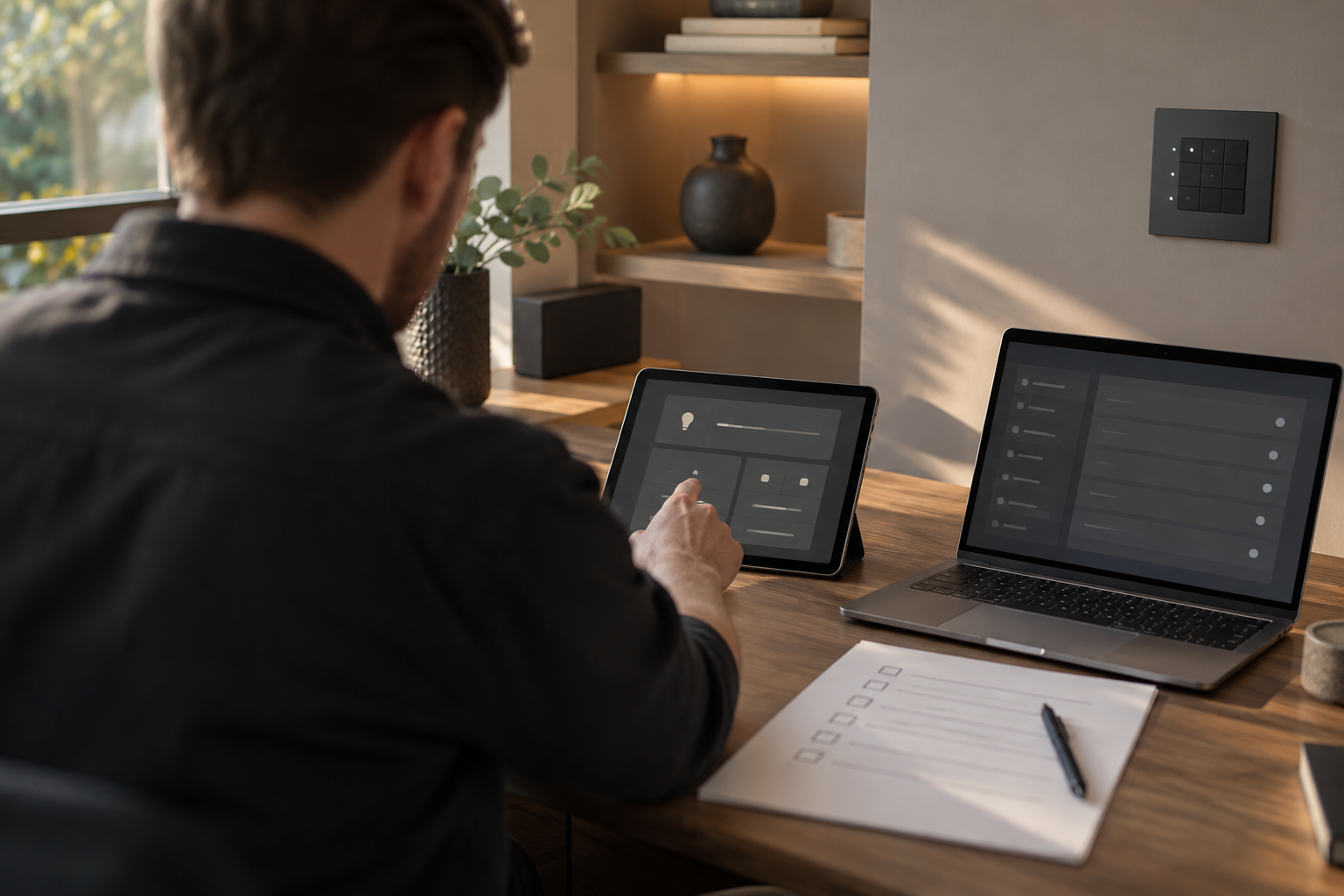
Google Android ruling puts home interface choices in focus
The US decision left Android and Chrome with Google, but luxury-home specifications still need to distinguish familiar interfaces from dependable building control.
13 October 2026 · 5 min
 Latest Tech
Google OSV-Scanner and the smart-home software security gap
Google’s open-source vulnerability tool offers a useful reference point for integrators assessing the software behind bespoke home technology.
13 October 2026 · 5 min
 Latest Tech
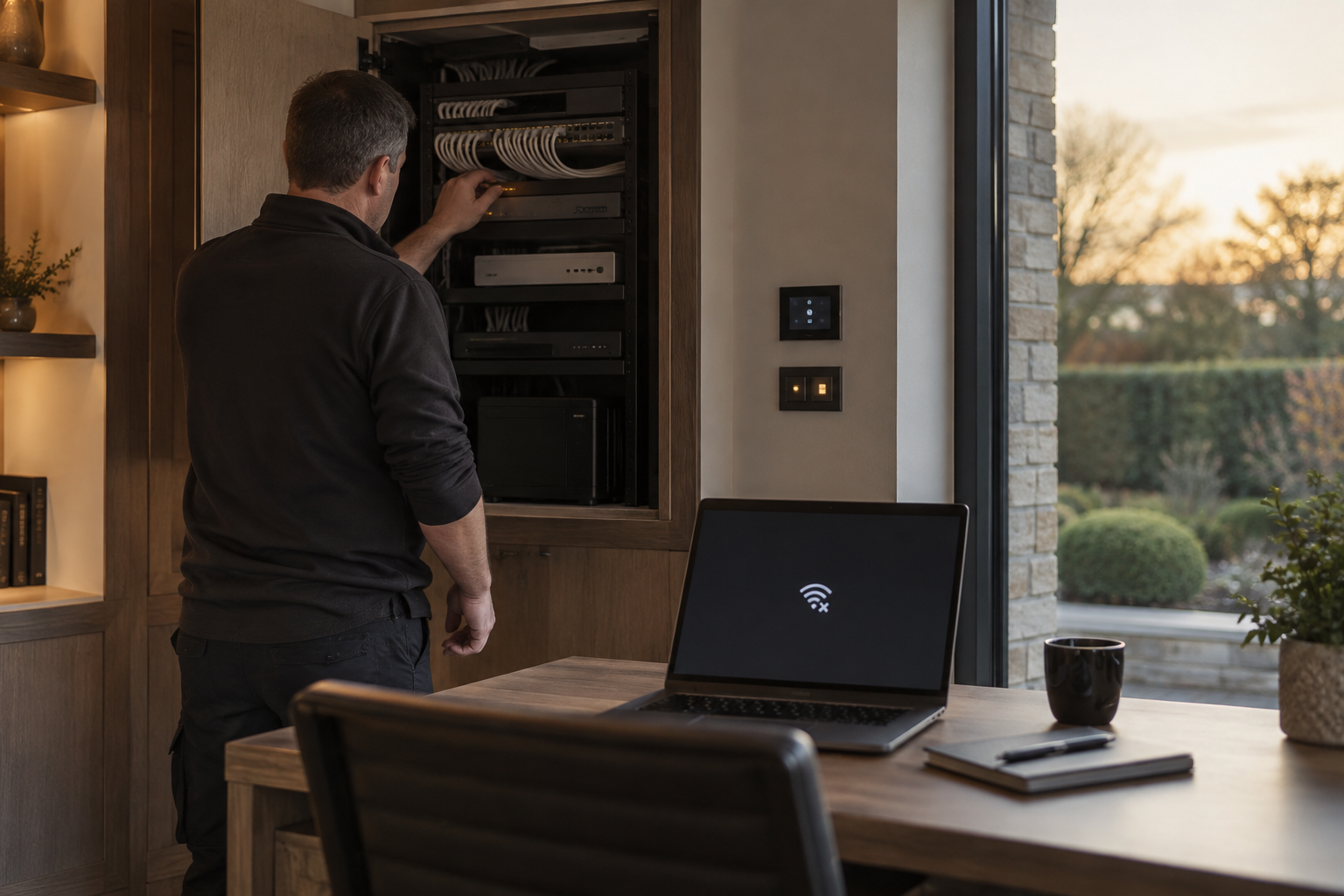
Google cloud outages and the connected home’s resilience plan
Google’s historical service interruptions offer a practical lesson for luxury homes: internet access, cloud availability and local control need separate resilience plans.
13 October 2026 · 5 min