Sony and Berlin Phil Media rethink concerts for home viewing
A new partnership will explore concert production, archive restoration and spatial content, with implications for high-quality music viewing at home.
By Davy Currie · · 5 min read
Key facts
- 01Sony and Berlin Phil Media’s partnership was detailed on 7 October 2026.
- 02Berlin Phil Media operates the Berliner Philharmoniker’s Digital Concert Hall platform.
- 03Sony’s Cinema Line cameras, live production systems and professional audio technologies are planned for concert-production development.
- 04Sony’s RS+ upscaling technology will be used to remaster historic Berliner Philharmoniker footage.
- 05Sony’s XYN platform may support spatial concert experiences; no consumer playback format or launch date is confirmed.
- 06Dr Shinichi Furuya’s research will inform workshops and educational initiatives for musicians.
Sony and Berlin Phil Media are developing new ways to record, restore and experience orchestral performances through a partnership detailed on 7 October 2026. The collaboration brings Sony’s production technologies to the media company behind Berlin’s Berliner Philharmoniker and its Digital Concert Hall, with potential consequences for concert viewing in dedicated cinemas and listening rooms.
What happened
The agreement covers more than supplying cameras to an orchestra. Sony and Berlin Phil Media, known as BPM, intend to develop performing-arts production workflows, revisit historic recordings, investigate spatial content and support research into musicians’ professional development. These are parallel areas of work, rather than a single announced consumer service or hardware launch.
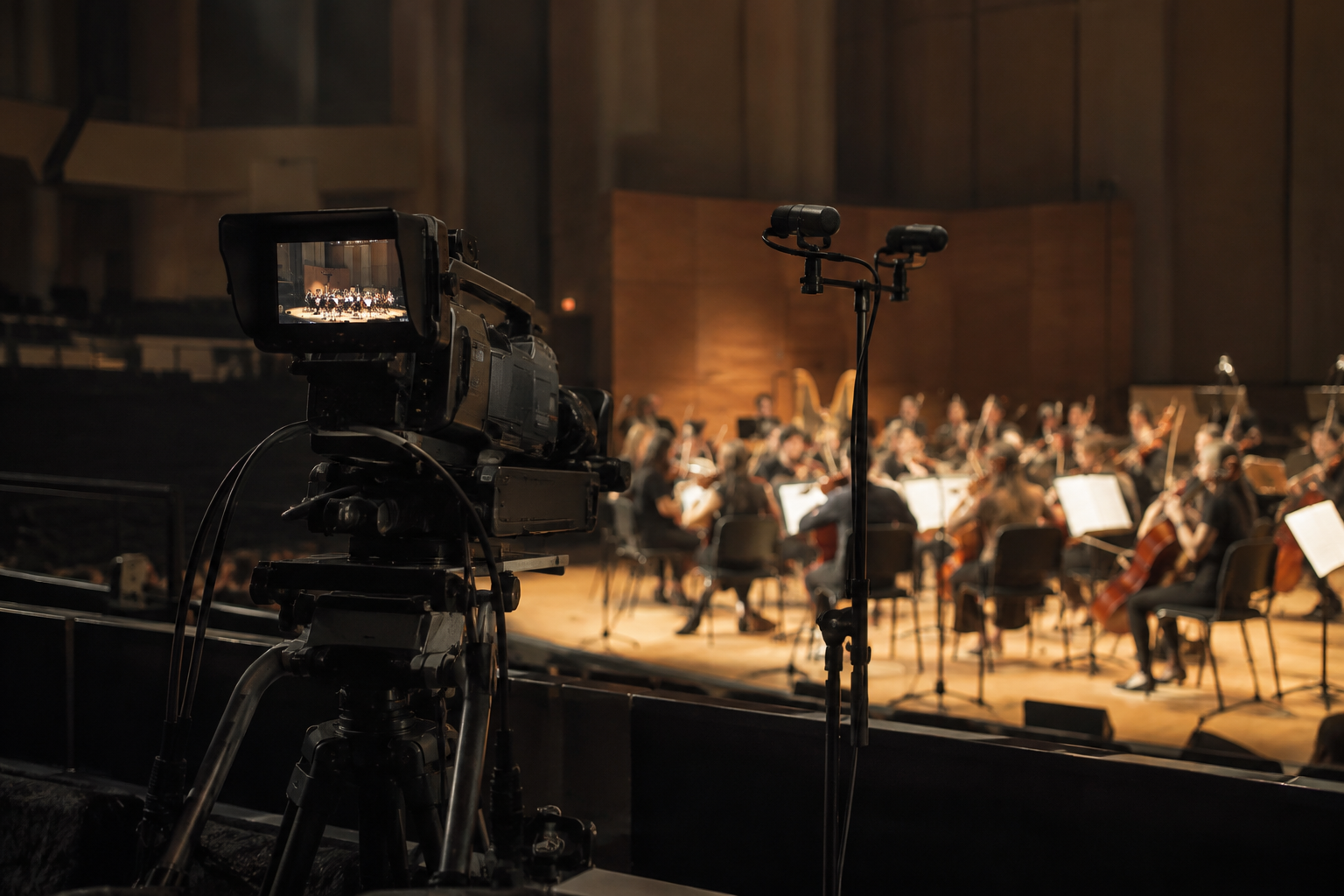
For new recordings, the partners plan to combine BPM’s production expertise with Sony’s Cinema Line cameras, live production systems and professional audio technologies. The emphasis is on workflows suited to performance: coordinating the equipment and production decisions that turn an orchestral event into something an audience can follow on screen.
The archive programme will use Sony’s RS+ upscaling technology to prepare historic footage in higher-resolution formats. Sony’s audio processing, analysis and reproduction technologies will also be explored as tools for improving the presentation of older performances. Neither element comes with a published release schedule or a specified catalogue of recordings.
A further strand could use Sony’s XYN spatial content creation platform to investigate experiences beyond conventional video. That remains an exploratory ambition. The agreement does not specify a headset, domestic playback system or confirmed spatial concert format that owners can buy or commission today.
The background
Sony’s relationship with the Berliner Philharmoniker predates streaming. Former Sony chairman and chief executive Norio Ohga and former orchestra chief conductor Herbert von Karajan were linked through their advocacy of the compact disc. That history gives the new work a particular context: the two organisations have previously shared an interest in how recording technology carries musical performance into the home.
More recently, Sony and BPM collaborated on a proof of concept involving advanced video production for the Digital Concert Hall. The new partnership therefore follows practical work around an existing streaming platform, rather than starting with an untested distribution idea. The platform provides a relevant setting for the work, although no specific changes to its service have been announced.
Filming an orchestra presents different demands from recording a scripted scene. Camera placement, movement and switching must make the musical action legible without intruding on performers or distracting the remote audience. A workflow developed around those constraints can matter as much as the camera specification, particularly during a live performance that cannot simply be repeated for another take.
For a large domestic screen, production choices become unusually visible. Focus changes, inconsistent exposure and abrupt shifts in framing can interrupt concentration even when the display itself is well calibrated. The installation considerations explored in our analysis of large-screen living-room projection are only one part of that chain; this partnership concerns the material arriving at the screen.
Archive restoration poses a separate challenge because the starting point is fixed. Upscaling can create a higher-resolution output, but it is not equivalent to having recorded the original performance with a modern camera. The condition and characteristics of each recording will constrain what restoration can achieve, making the eventual results more informative than the output resolution alone.
Audio restoration requires similar judgement. Reducing unwanted noise and changing tonal balance can affect the perceived character of a historic recording, including its sense of space. For listeners, the useful question will be whether processing makes the musical performance easier to hear while retaining the acoustic information that gives it identity.
What people are saying
Sony and BPM present the collaboration as a way to reach audiences through additional forms of engagement while supporting the performing arts over the longer term. Their stated scope links technical production with distribution and artist development. That is a broader position than promising a sharper picture or introducing another streaming tier.
The partners also hope their work on historic performances will bring out additional detail and improve presentation. Those are objectives, not published findings from completed releases. There are no comparative demonstrations, measured improvements or named restored performances in the announcement against which listeners and viewers can yet assess those expectations.
For owners, the likely attraction is access to familiar repertoire and significant performances in a more satisfying domestic presentation. For integrators, the immediate reading should be more restrained: a content-production partnership is not evidence that an installed cinema requires new equipment. Any specification change would need to follow actual delivery and playback requirements.
The audio implications should also be kept separate from assumptions about loudspeaker upgrades. A better-presented concert still reaches the listener through the room and playback system. Our examination of loudspeaker choice and room placement addresses that downstream consideration; nothing announced here establishes a new speaker layout or listening-room standard.
What happens next
The next useful evidence will be identifiable outputs: a production using the proposed workflows, a restored archive release or a demonstration of a new viewing format. Sony and BPM have not provided dates for those milestones. There is consequently no confirmed launch window around which a homeowner or cinema designer should plan an installation.
Distribution details remain important open questions. The announcement does not establish resolution, audio format, bit rate, device compatibility or whether future experiences will appear within the existing Digital Concert Hall offering. Those details will determine whether the work can be enjoyed through current systems or needs a different playback route.
XYN raises a distinct set of questions about how spatial material might be presented. Creating spatial content and delivering it conveniently to a domestic audience are separate tasks. Before that strand has a practical place in a residential brief, the partners would need to explain the viewing method, supported devices and degree of audience interaction, if any.
Alongside production, the programme includes workshops and educational initiatives informed by Dr Shinichi Furuya’s work at Sony Computer Science Laboratories. His research examines sensing, artificial intelligence, robotics and ergonomics in relation to musicians’ development and the physical demands of performance. This is an artist-focused research strand, not an announced AI feature for the concert streaming service.
Why this matters
For owners investing in serious music and cinema systems, the partnership directs attention towards something equipment specifications cannot supply: well-produced performances worth experiencing. Its value will depend on what Sony and BPM release, how sensitively the archive is treated and how accessible the results become. Until those details emerge, the sensible response is to watch the content programme rather than reserve budget for an unspecified new format.
Questions answered
+What is the Sony Berlin Phil Media partnership?
It is a collaboration covering performing-arts recording, archive restoration, potential spatial experiences and musician development. Sony contributes production and research technologies, while Berlin Phil Media brings its concert production and distribution expertise.
+What is Berlin Phil Media?
Berlin Phil Media is the media company behind the Berliner Philharmoniker and its Digital Concert Hall streaming platform.
+How will Sony restore Berliner Philharmoniker recordings?
The partners plan to use Sony’s RS+ upscaling technology for higher-resolution historic footage and explore Sony’s audio processing, analysis and reproduction technologies to improve the presentation of older performances.
+Will the Digital Concert Hall get a new video format?
No new delivery format has been confirmed. The partnership explores production improvements and possible spatial experiences, but resolution, audio format, device compatibility and distribution arrangements remain unspecified.
+Do I need new equipment for Sony’s concert experiences?
No equipment requirement has been announced. The partnership does not establish a new domestic playback system, speaker layout or confirmed spatial concert format.
+When will Sony and Berlin Phil Media release new concerts?
The partners have not provided release dates for productions using the proposed workflows, restored archive recordings or spatial viewing experiences.
+How is AI involved in the Sony Berlin Phil Media partnership?
Artist-development initiatives will draw on Dr Shinichi Furuya’s research, which examines AI alongside sensing, robotics and ergonomics. This is separate from any announced consumer feature for the streaming platform.
More in Latest Tech
 Latest Tech
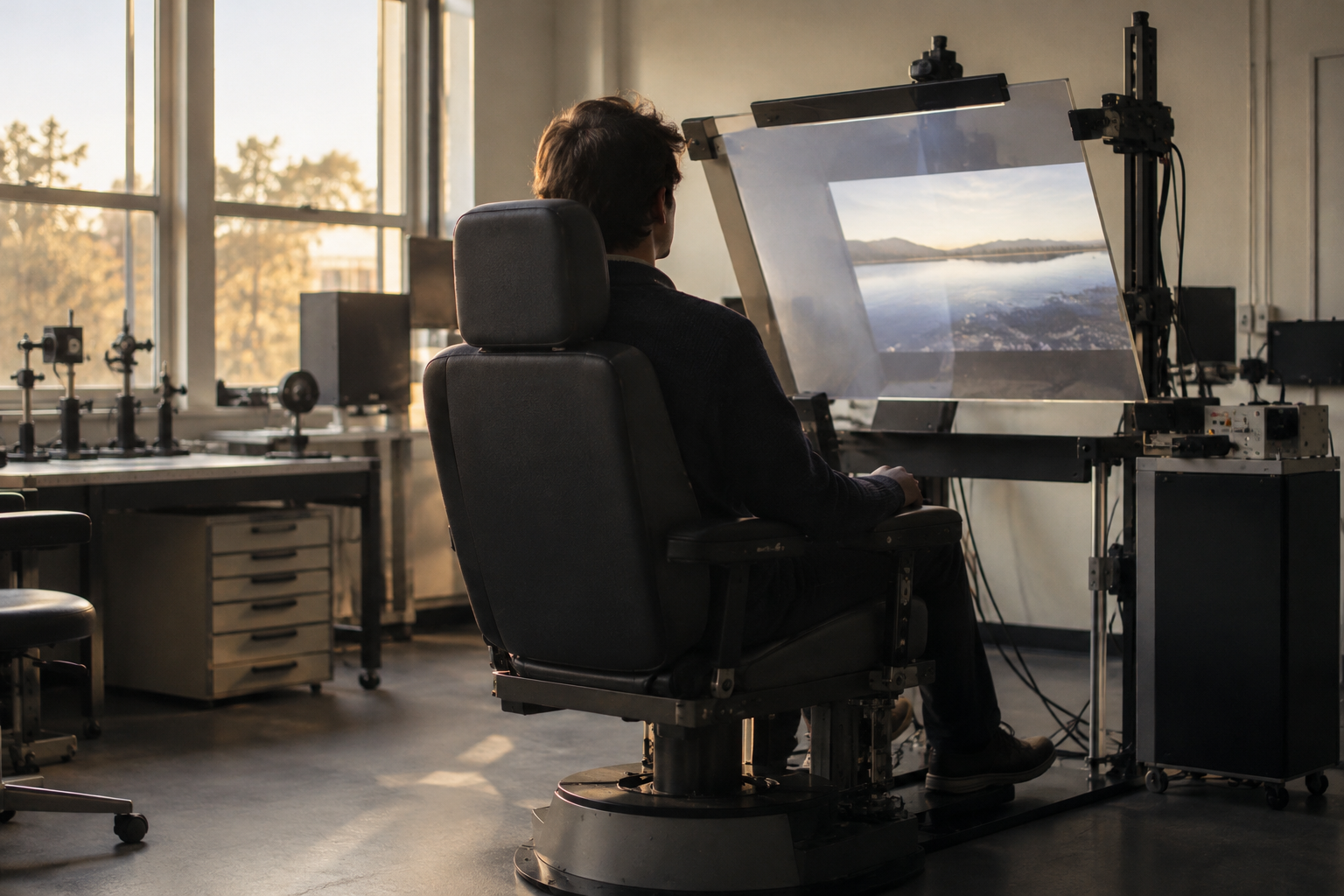
Kyushu University’s VR chair removes the headset
A chair-mounted optical system explores headset-free virtual reality, with potential for private entertainment spaces but significant questions over brightness, viewing angle and immersion.
8 October 2026 · 5 min
 Latest Tech
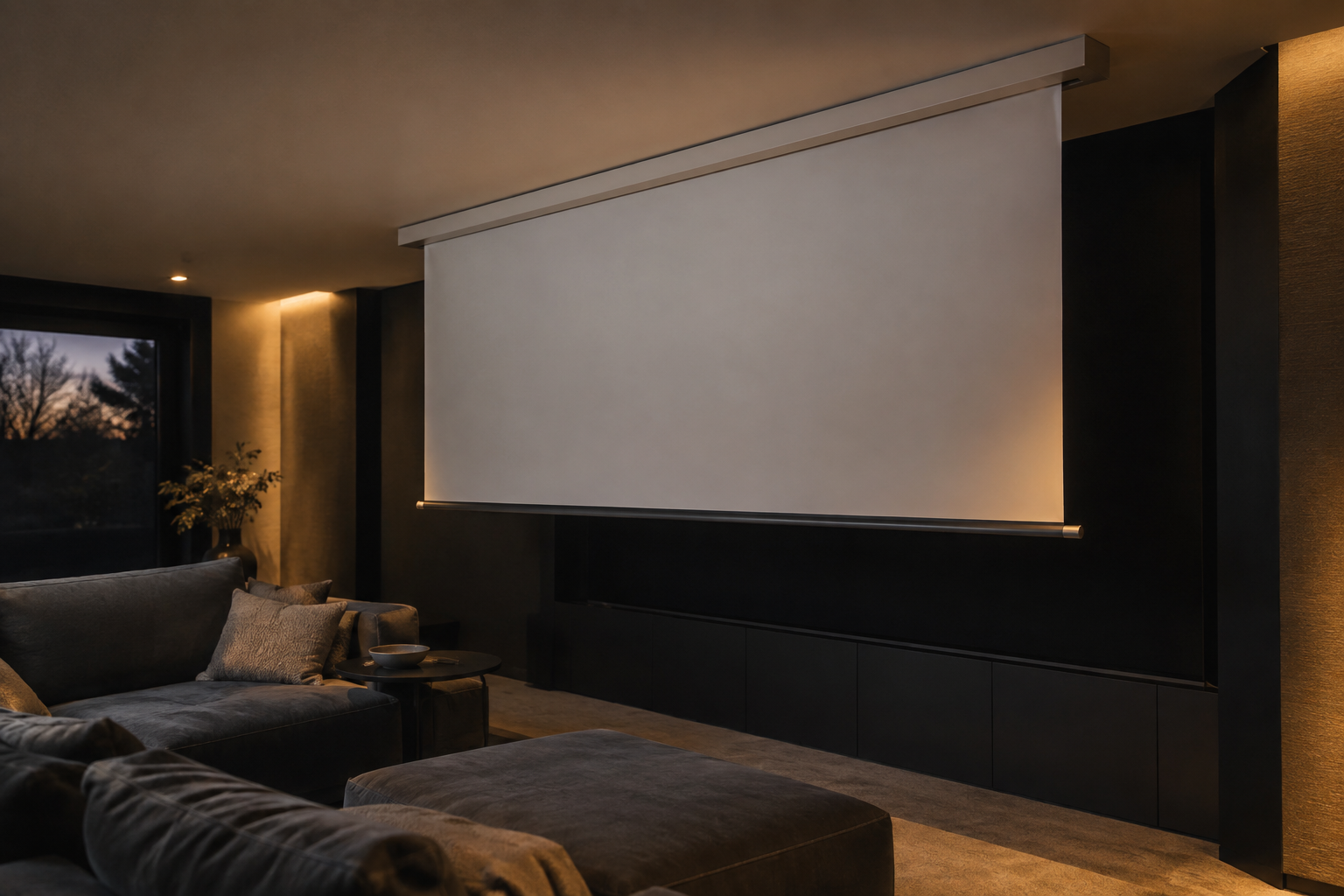
Lumene Coliseum Silent screens add smarter cinema control
Due in the UK in November, Lumene’s motorised screen range combines revised movement control with five materials for dedicated cinemas and shared living spaces.
7 October 2026 · 5 min
 Cool Stuff
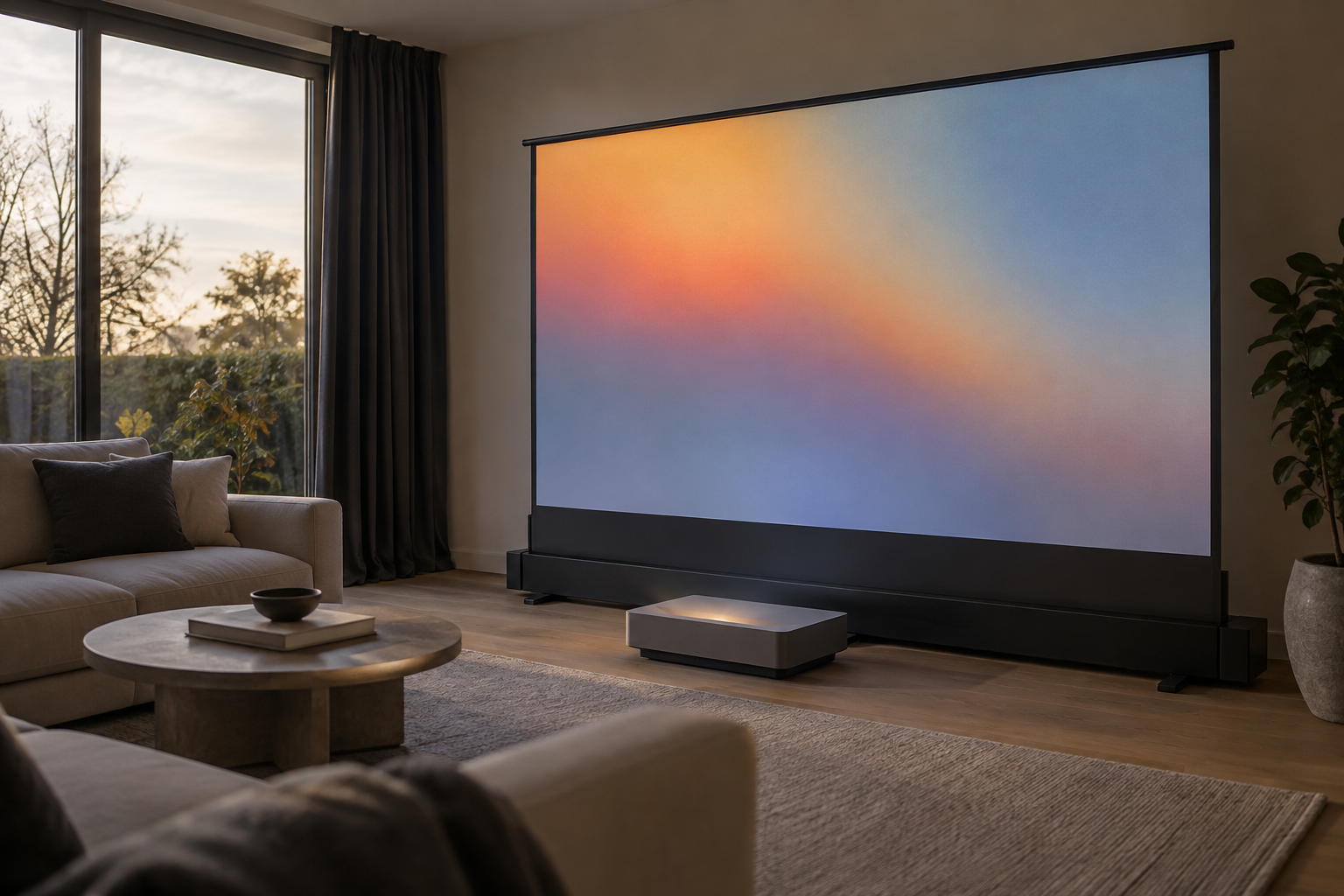
Epson QS100: what a 140-inch living-room system demands
A household evaluation of Epson’s projector and EPV’s rising screen highlights the installation decisions behind convincing large-screen viewing in a shared living room.
7 October 2026 · 5 min